

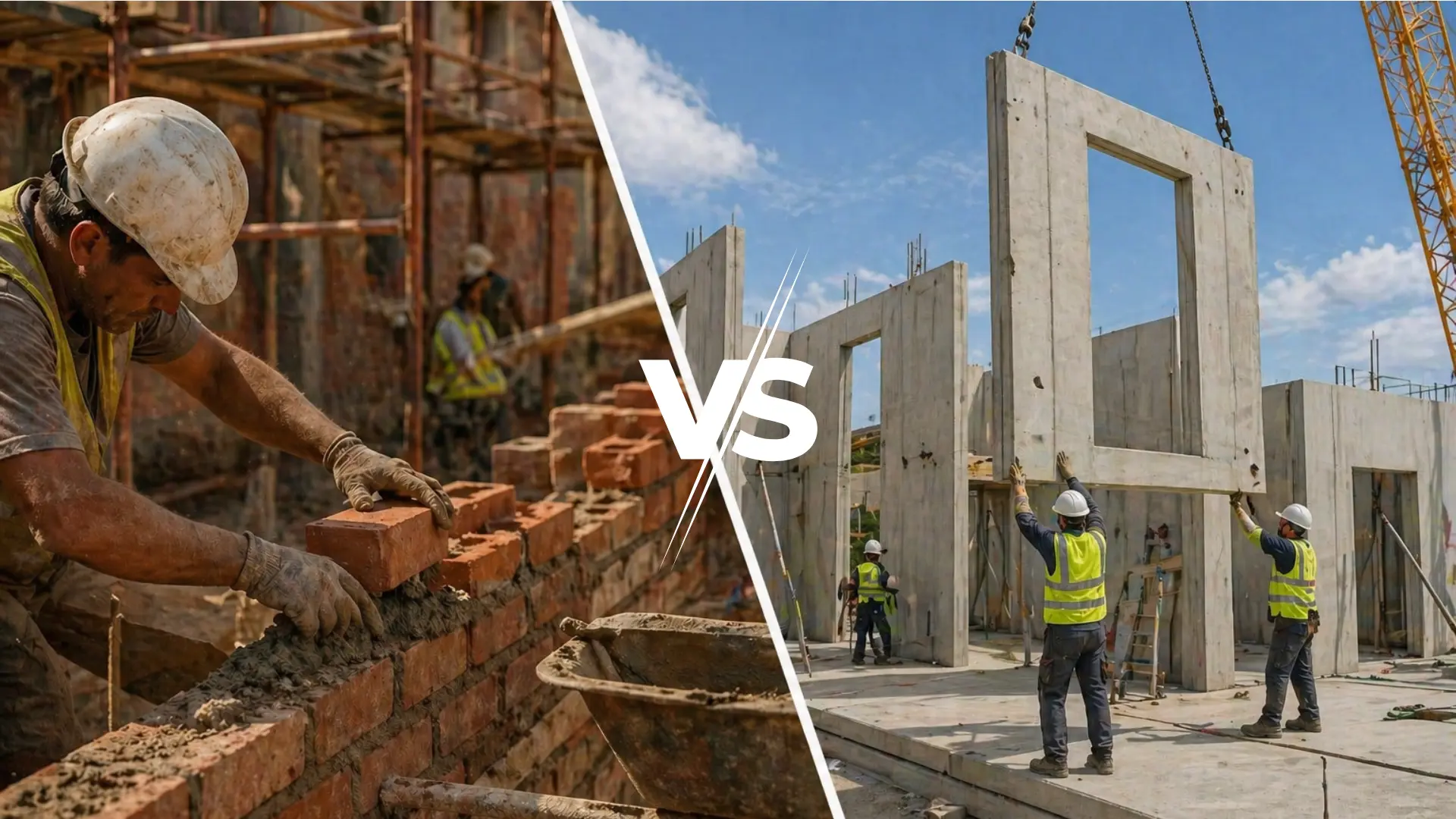
As interior projects become larger and more demanding the need for integrated project delivery methods is increasing. Large Companies, Software Development Centers, Co working Spaces, Large headquarters and institutional clients increasingly prefer the turnkey or Design–Build approach because it offers better coordination, faster timelines, and improved cost management. For large offices interiors Design–Build proves to be more efficient than conventional contractor model.
The Design–Build approach integrates both design and execution under a single entity, creating a more streamlined and collaborative process. This approach has gained popularity in large-scale developments, corporate offices, campuses, and complex interior projects because it offers several advantages over the traditional method.
The Design–Build approach integrates both design and execution under a single entity, creating a more streamlined and collaborative process. This approach has gained popularity in large-scale developments, corporate offices, campuses, and complex interior projects because it offers several advantages over the traditional method.
Single Point of Responsibility
One of the most significant benefits of the Design–Build model in turnkey interior for offices is that the client deals with a single point of responsibility. Instead of coordinating between architects, consultants, contractors, and multiple vendors, the entire project is managed by one integrated team. This reduces confusion, improves accountability, and simplifies communication.
Faster Project Delivery
Time efficiency is a major advantage of the Design–Build approach. In the traditional model, construction begins only after the design is fully completed and contractors are selected through a bidding process. This sequential workflow often leads to longer project timelines.
In contrast, the Design–Build method allows design and construction activities to overlap. While parts of the design are being finalized, construction preparation can already begin. This integrated workflow can significantly reduce the overall project schedule, enabling faster completion.
In contrast, the Design–Build method allows design and construction activities to overlap. While parts of the design are being finalized, construction preparation can already begin. This integrated workflow can significantly reduce the overall project schedule, enabling faster completion.
Better Cost Control
Cost overruns are a common concern in interior projects but with the Design–Build model, design decisions are made with construction costs in mind from the beginning. Since the design and
execution teams work together, materials, systems, and construction methods are selected with cost efficiency in mind. This leads to more accurate budgeting.
Improved Collaboration Between Teams
The integrated multi-disciplinary approach helps identify potential challenges early in the design
phase, allowing the team to resolve issues before interior work begins. The result is smoother
execution and fewer disruptions on site.